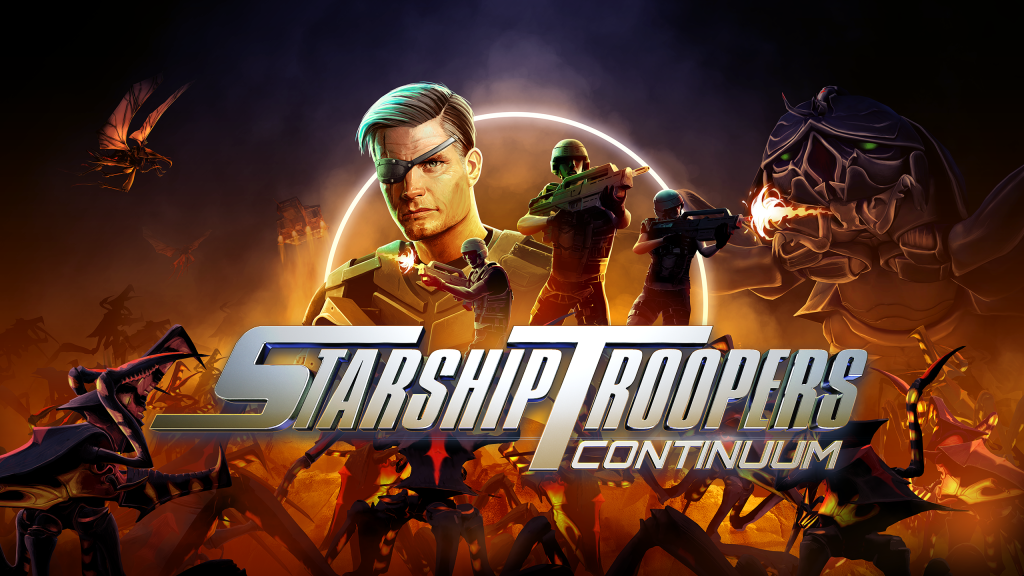
A 3-player co-op shooter set in the satirical universe of Starship Troopers with rogue-like elements.
My Work
- Expanding the World: Worked with the Creative Director to establish our own corner of the Starship Trooper’s universe, with flavour, themes, and aesthetics pulled right from the iconic movie. As a level designer, ensured that our levels both supported, and were supported by the worldbuilding throughout the game.
- Building a Narrative: Supported the rogue-like game loop and character progression with an innovative story hook that built on established elements of the IP to justify the player’s role and interactions with the game world.
- Creating the Levels: Built up level development pipelines alongside the Lead Designer, working closely with multiple departments to coordinate the team.
- Designing Encounters: Collaborated with the Game Director and programming team to design a new encounter system for the project, keeping combat fresh and nuanced across different player counts and difficulty modes.
- Casting Characters: Worked with our audio partners to cast our characters. Sat in on recording sessions to help guide and direct the performance, providing intimate project knowledge and context.
Gameplay
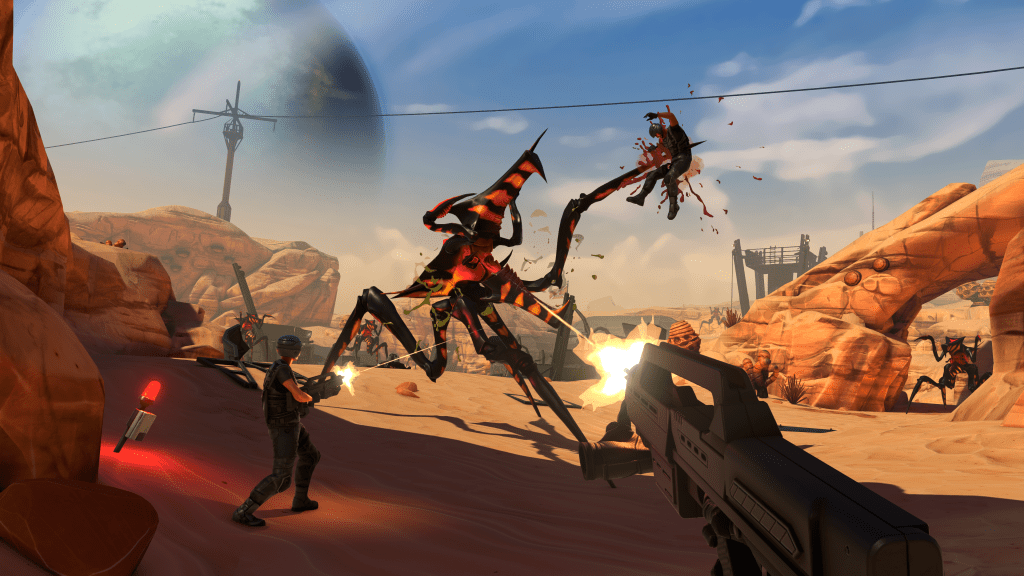
A Left-4-Dead style co-op shooter, players take on the role of a PsyCommander. A new type of soldier, these powerful psychics have the unique ability to fully possess other human beings, channelling years of combat experience into any soldier anywhere in the galaxy.
This means that when the player dies, so does their trooper. While this means a temporary loss of combat ability, building up the skills of a new trooper through perks and advanced weaponry takes time, the player’s overall character progression is tied to their PsyCommander rank, making their rogue-lite progression deeply embedded within the game world.
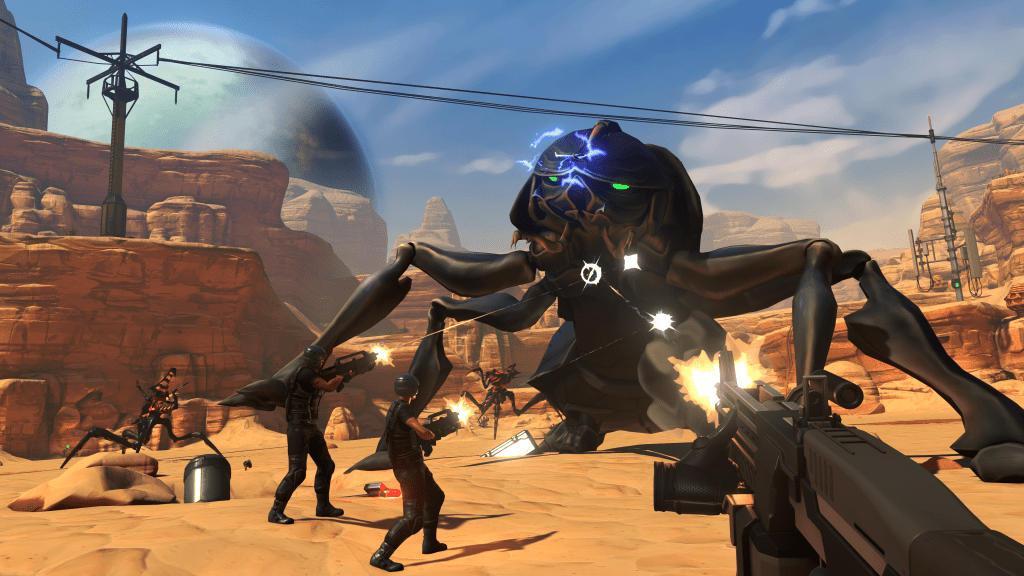
Players fight together as a fire team, taking on missions of progressive difficulty in the war against the bugs. Crowd control and target priority are key, as well as a well-rounded squad composition to handle any kind of danger. The bugs come in all shapes and sizes, from the quick-moving, suicidal, and explosive Tickers, the classic Warriors, to the enormous flame-spewing Tanker. A limited pool of reinforcements means the players can’t just brute force encounters, needing to work together and do their part to win the day for humanity and the Federation!
World Building
The worldbuilding began, as always, with research. Watching the movies, devouring the wikis, and exploring what other game titles had done in the IP provided much of the raw material of what familiar ground to retread and what new untouched ideas we could explore.
At the time of development, no other contemporary titles had been announced, so a decision was made to ground our corner of the world in the original Starship Troopers movie. The war had become a stalemate by design, the Federation keeping the bugs on the edge of extinction, the perfect tool for keeping humanity in line and under their authority. The military-industrial complex had developed even further, capitalising on the opportunity of a forever war to develop, field-test, and sell their innovations while the Federation bombarded its citizens with patriotic propaganda. It had been twenty-five years since Klendathu, and it was time for the Arachnids were long due a comeback.
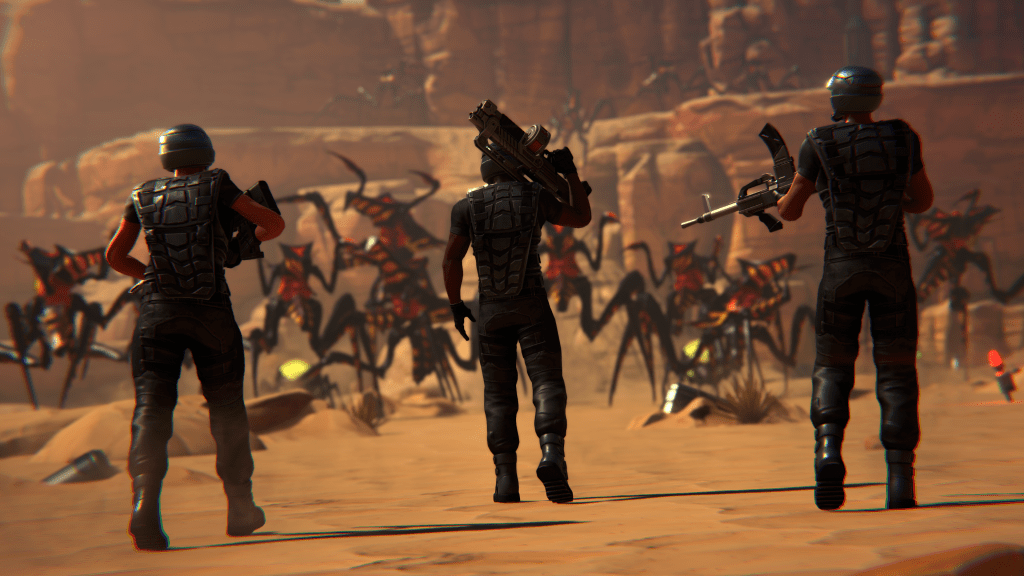
Our game was set on Janus-4, a backwater mining colony with a mysterious past. Tidally locked, the planet was divided into the familiar and the alien. The dayside was covered in dry desert canyons taken right out of the original movie, while the inhospitable dark side was home to the planet’s dark secret.
Atrocite, a rare psychoactive, mutagenic substance only found in great quantities on Janus-4. It was the McGuffin responsible for the player character’s incredible psychic powers, while also fueling the rabid evolution of any Arachnid bug that ate it in its natural fungal form.
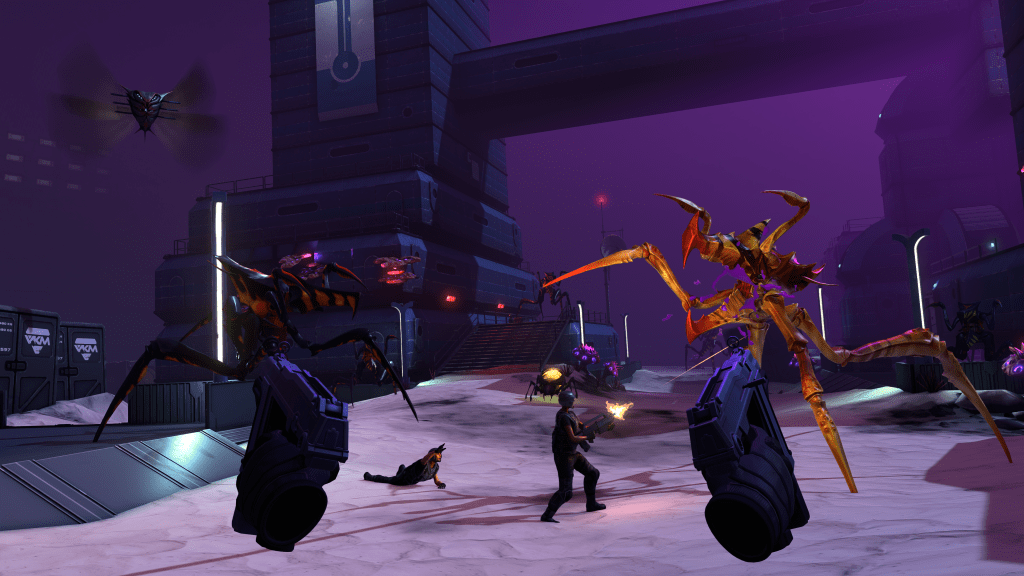
Pulling all these elements together into a cohesive whole and onboarding an entire development team was no easy task. I ran regular opt-in world building sessions, giving the whole team an open forum to contribute ideas to the game world, and built up living documentation as a source of truth for its foundations.
Working with concept artists and writers, we developed the ideas through to game-ready assets and scripts, taking care that they were deployed appropriately throughout the game’s content.
Narrative Design
With the world-building established, it became time to communicate it to the player. I’m a follower of the philosophy that world-building is only as good as the drama it can create and so a lot of time was spent developing narrative and its delivery.
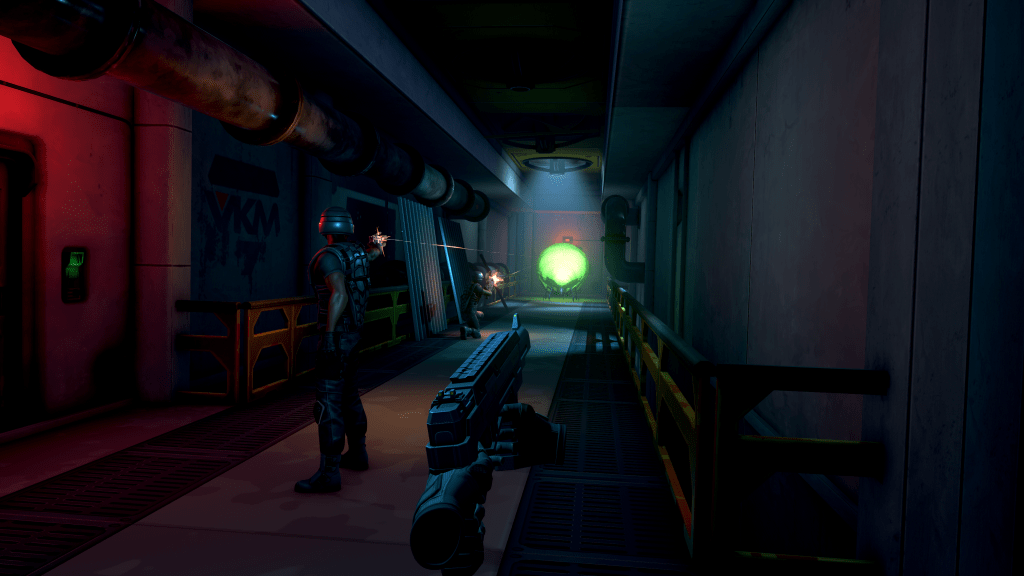
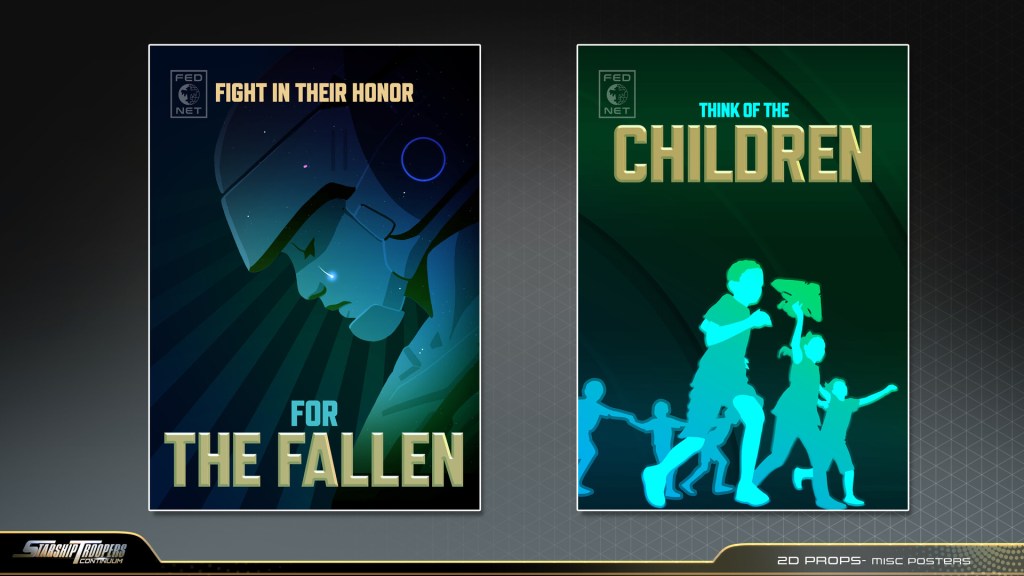
Given the multiplayer nature of the game, a decision was made early on to keep the narrative design focused in the background. Ambient dialogues from the PC Troopers gave life to the run-and-gun gameplay of the levels, whilst back at camp, NPC Troopers hinted at a broader world in their quiet discussions. The camp was also plastered with TV screens, bombarding the troopers with advertising and propaganda.
Level Design & Production
For Starship Troopers: Continuum, we introduced a gated development pipeline unified across departments. A level had to progress through a sequence of ‘Gates’, checkpoints reviewed by senior leadership, where strict MEASURING STICK had to be met to move forward. This was to help prevent game content from being signed off prematurely and highlight issues that might otherwise be swept under the rug.
For design, the key gates were:
- Gate 0: Level Brief
- Written by myself for each level, the brief outlined the mechanical and narrative needs of the level, as well as key worldbuilding elements to incorporate.
- Gate 1: Level Design Document
- A paper proposal on how the level designer plans to complete the brief, featuring a breakdown of how the included mechanics and enemies, narrative beats, and planned encounters, alongside initial sketches of the overall layout and flow of the level.
- Gate 2: Greybox
- The level designer blocks out the level in the engine, iterating on the signed-off paper design. There is still plenty of scope for change at this stage.
- Gate 3: Initial Level Flow
- A sketch of the play experience is implemented. Rough drafts of combat encounters to indicate their size and duration, placeholder NPC’s with in-house audio to test narrative pacing. The most difficult Gate for a level to pass, as it has the most scope for change and iteration and the last opportunity for major art changes without having to go through higher channels.
- Gate 4: Refined Encounters
- Combat encounters get drawn in more detail, approaching a final population for the level. Playtesting is critical here, across difficulty modes and player counts.
- Gate 5: Polish & Implementation
- The level is now mainly in the hands of the Art Department, but the designer has time to tune encounters and implement game-ready narrative assets.
Overall, this pipeline proved successful, although not without its own challenges. The needs of a milestone-driven project roadmap often conflicted with the reality of where a level might be in the pipeline. Ultimately, though, it proved its merit by highlighting where a level might be falling behind and prompting difficult conversations on how to cut scope and enable the level to move forward.
Case Study: Operation Night Mantis
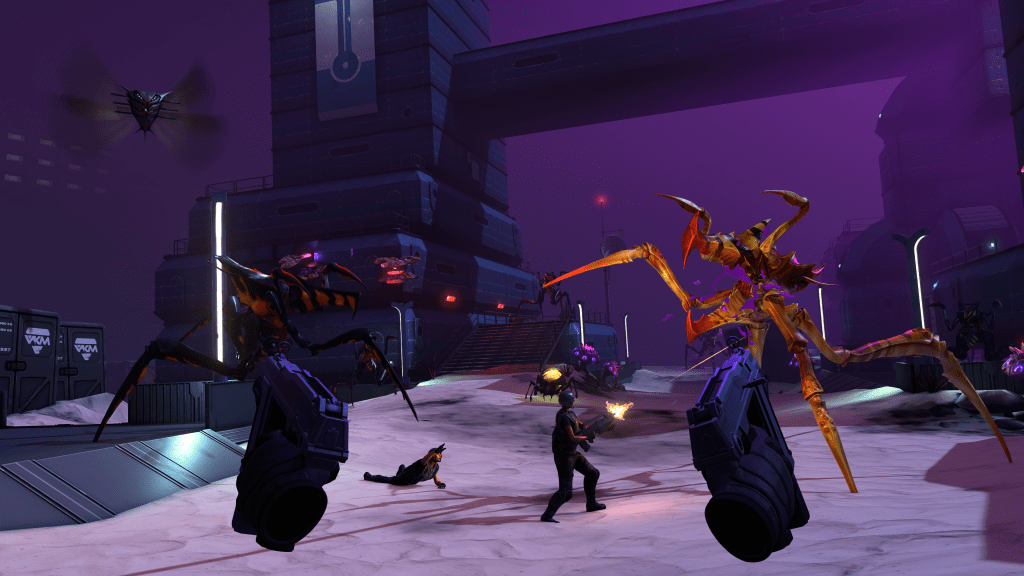
This level was an inflection point for both the gameplay experience and story, introducing a new core enemy type, the Mutant Warrior, foreshadowing the game’s final boss, and teasing the mystery behind the creation of the PsyCommanders and why Janus-4 is so important to the war effort.
In layout, the level is also novel for its circular loop, relative to the rest of the game. The player and their squadmates land in the central facility, answering an old distress signal. They find abandoned laboratories and a facility in maximum security lockdown. There isn’t a single human in sight.
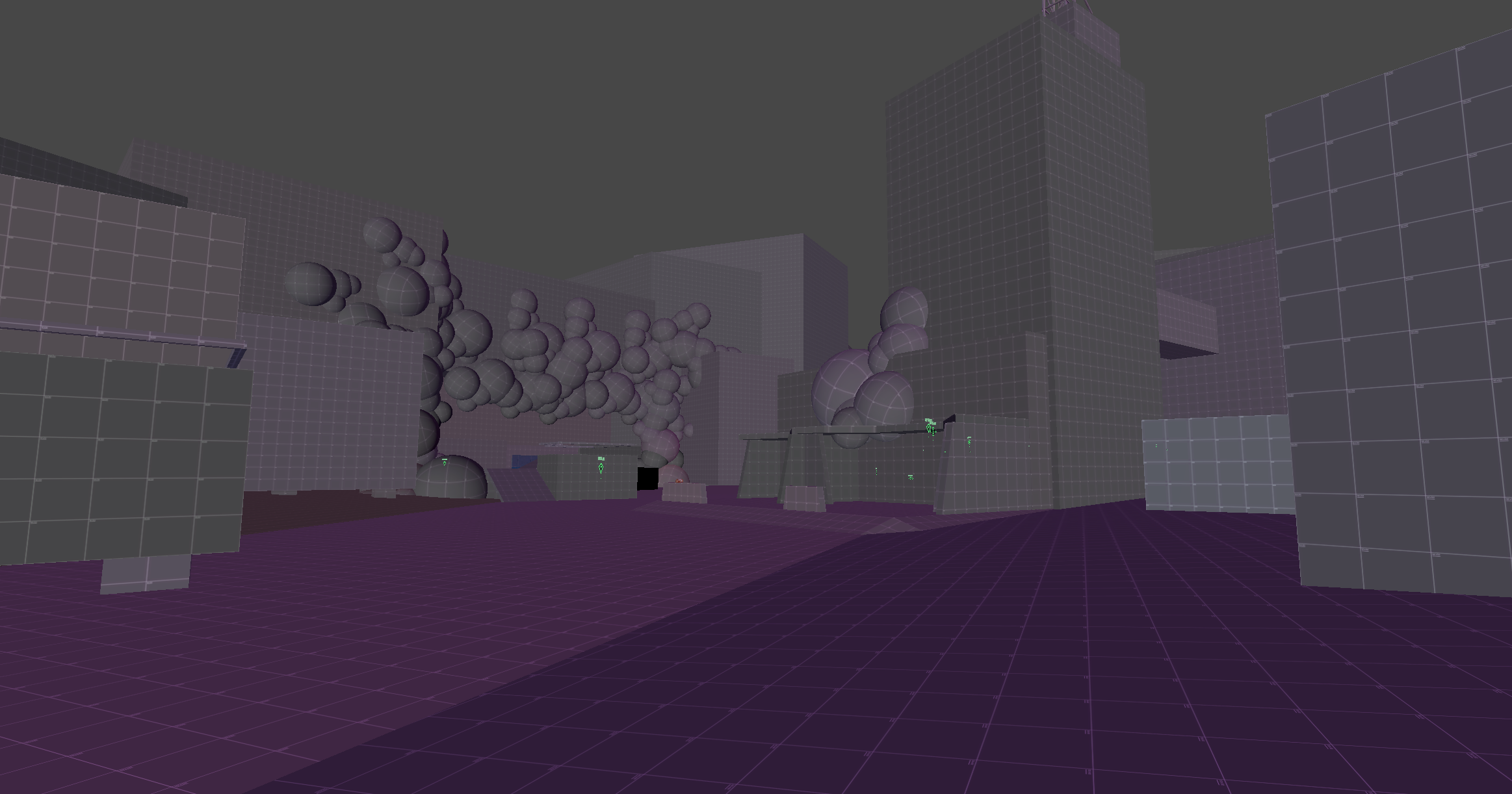
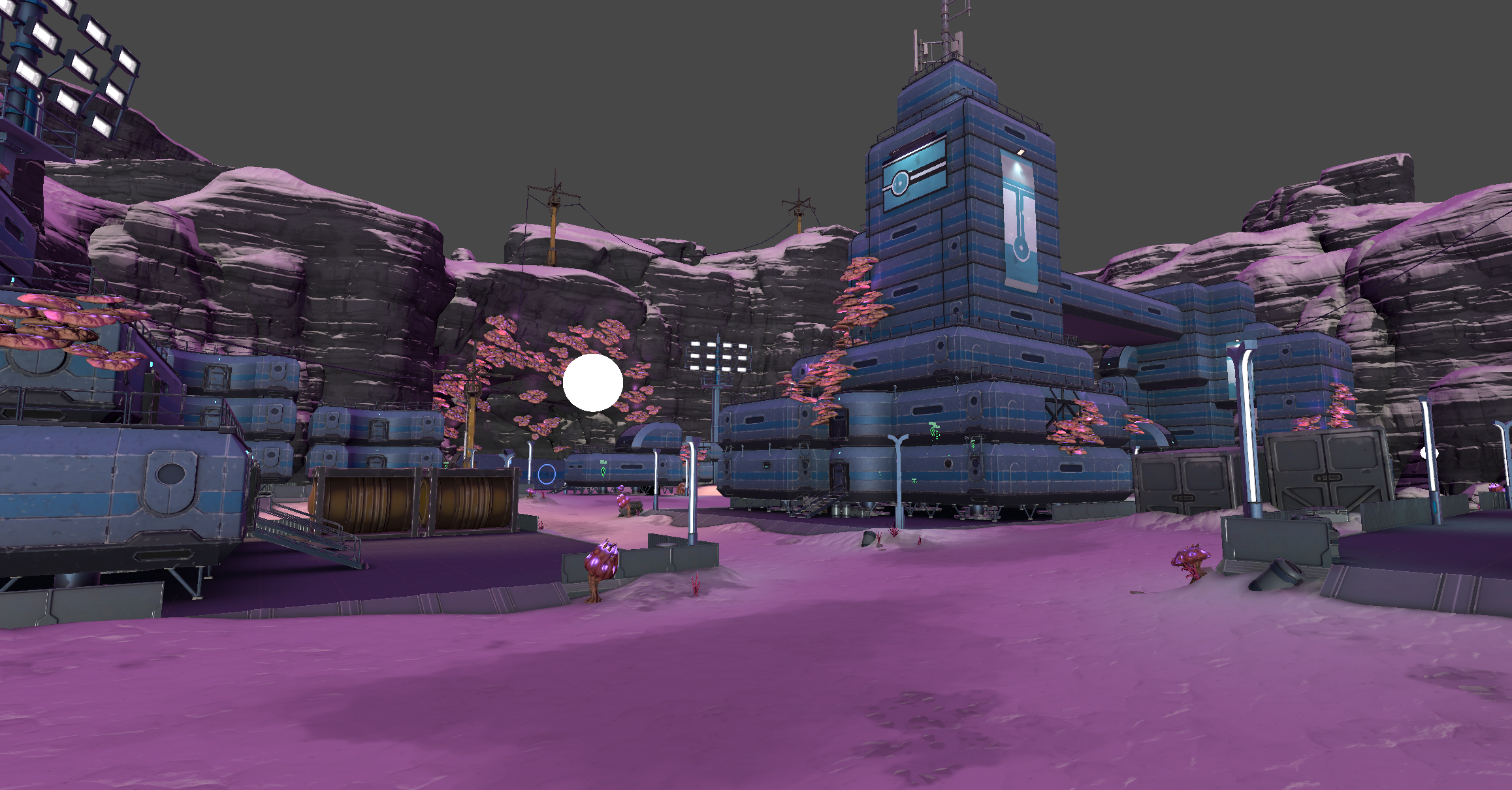
The players learn that their true mission, not as Troopers but as PsyCommanders, is to retrieve highly sensitive research data from this facility and destroy it before the wider Federation learns of its existence. But first, they need to lift the security lockdown.
Hunting down security passes, the squad successfully lift the first stage of the lockdown, though only after surviving their first ambush by Mutant Warriors.
This pattern continues, as they explore the rest of the facility, such as the Fungus Farm, on the trail of the research data.
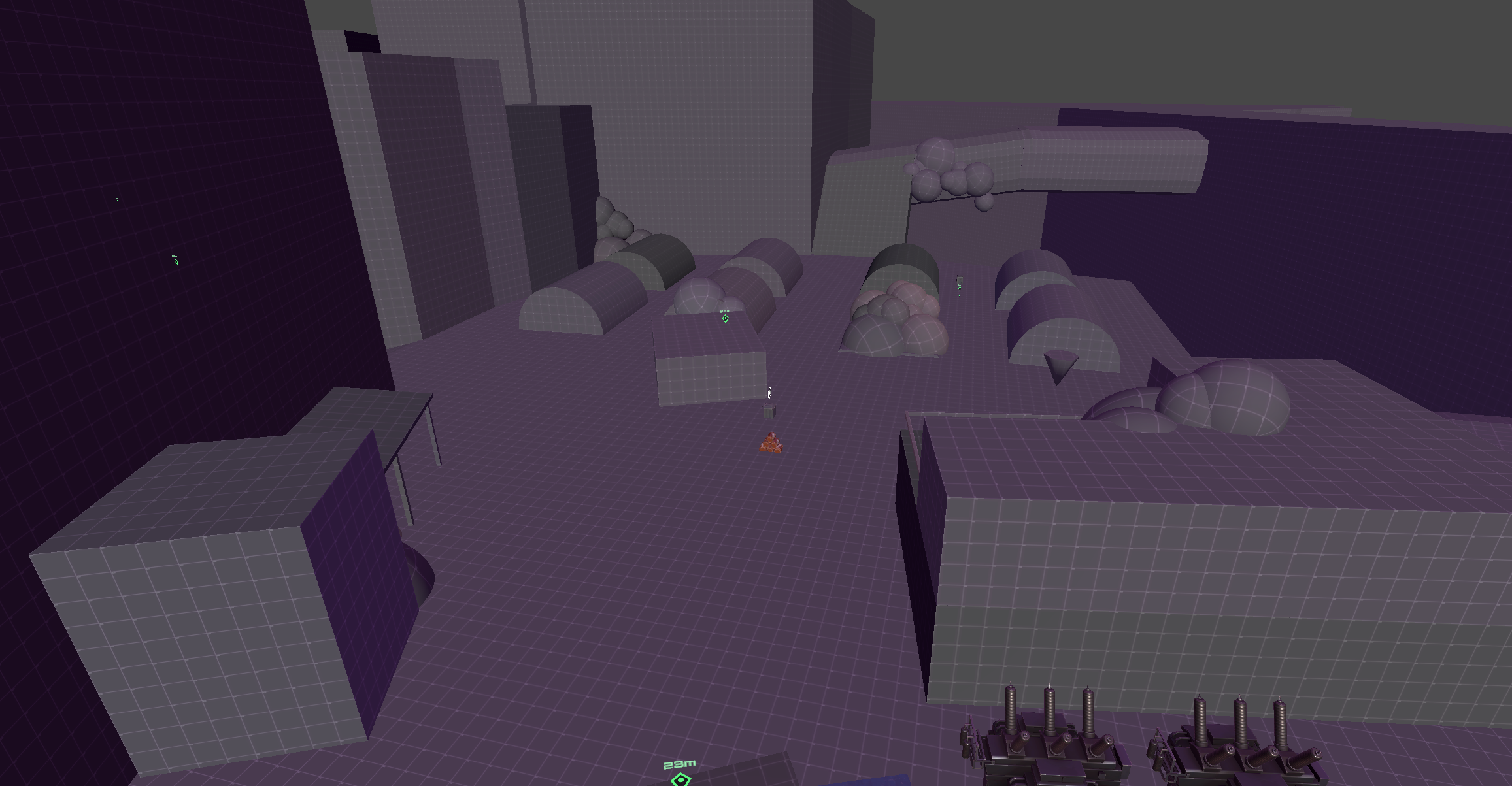
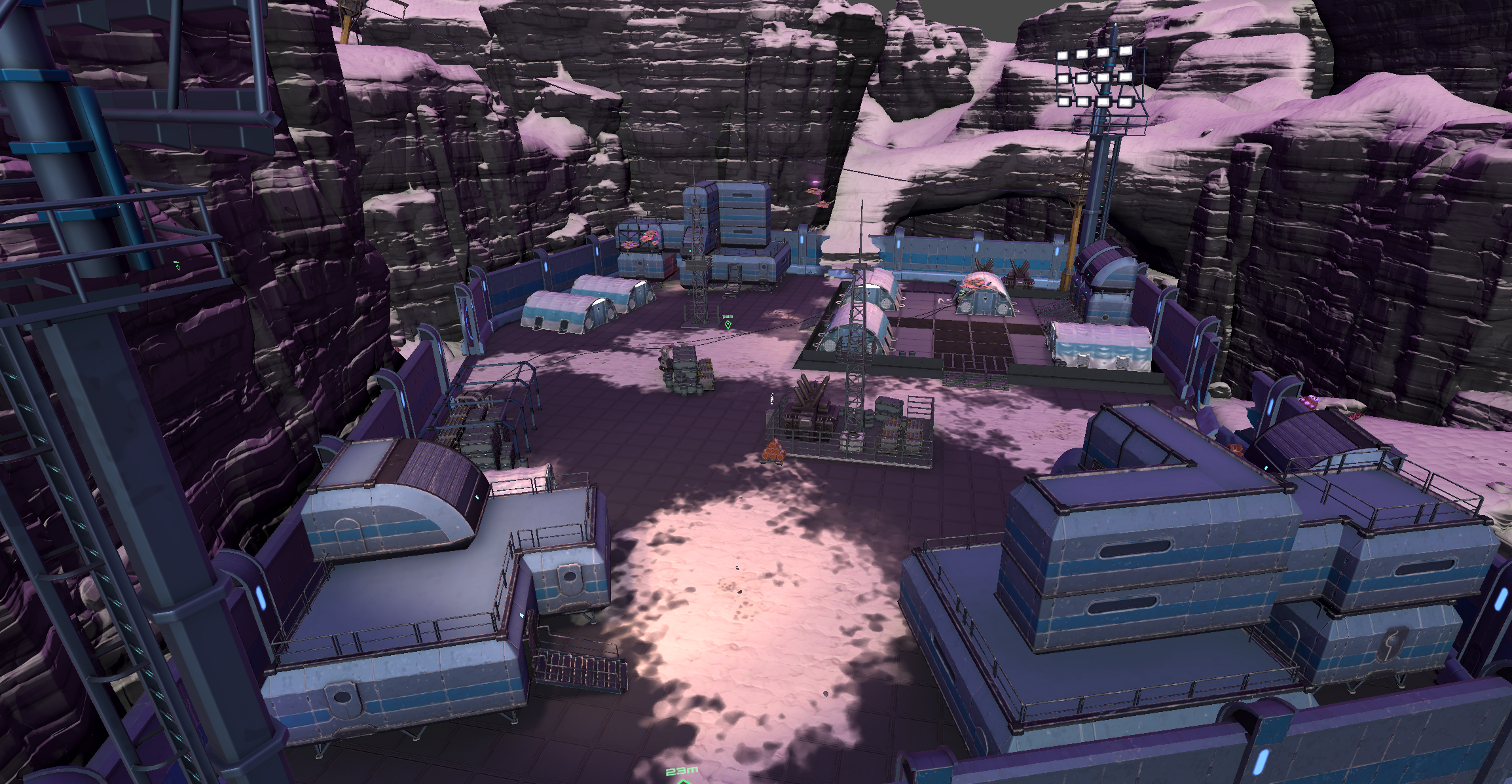
They find the data in the wreck of an aircraft, a failed attempt at escape by the facility’s researchers. The tone of the level shifts, no longer a slow hunt, but a race to return to the compound they landed in, upload the data to the Psy Corps, then destroy it.
The squad is hounded by bugs, threatening to destroy the data before its secrets can be sent to HQ. The level’s climactic combat takes place after the data is destroyed, the facility coming completely out of lockdown and releasing waves of trapped Arachnids.
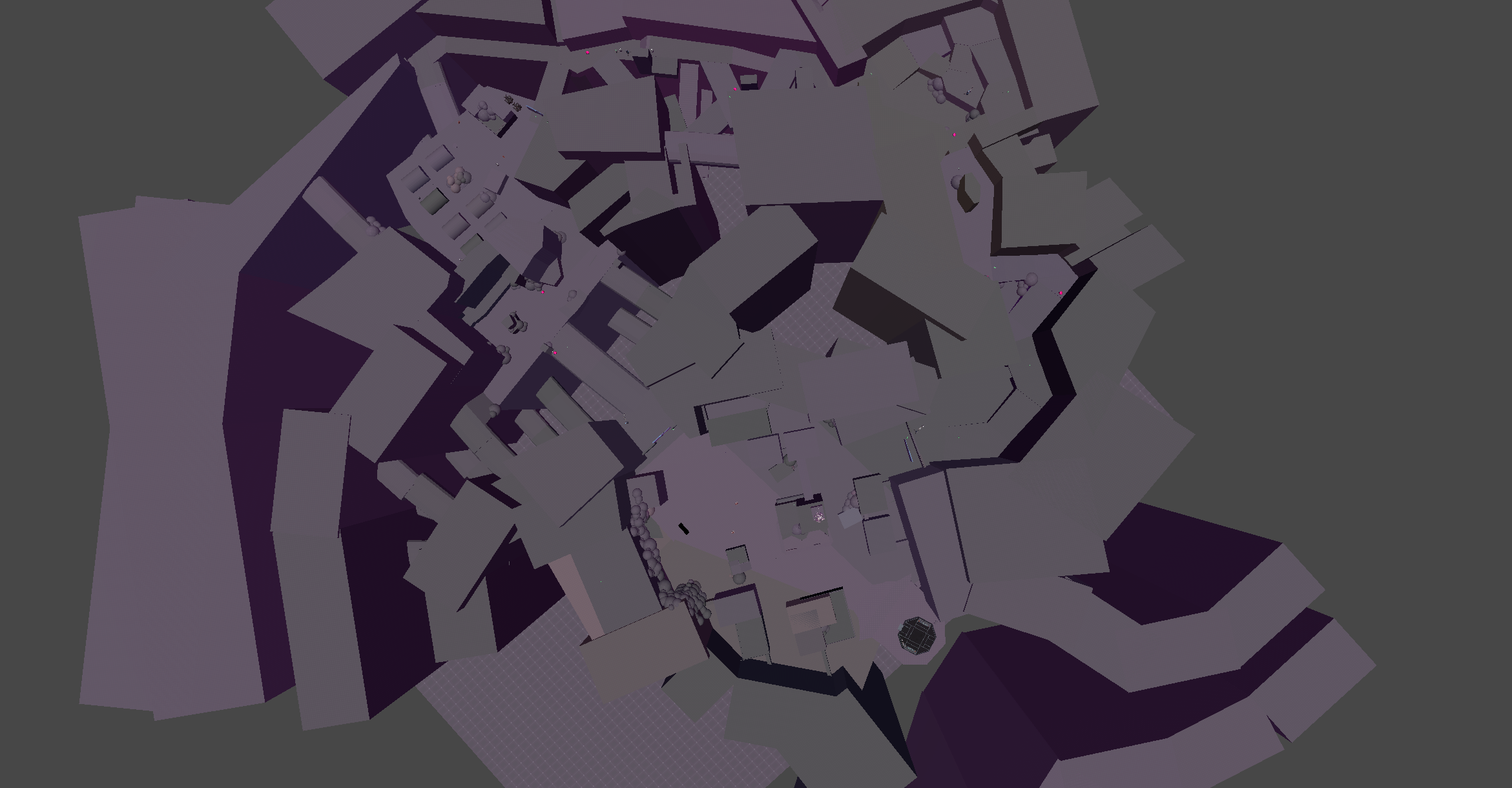
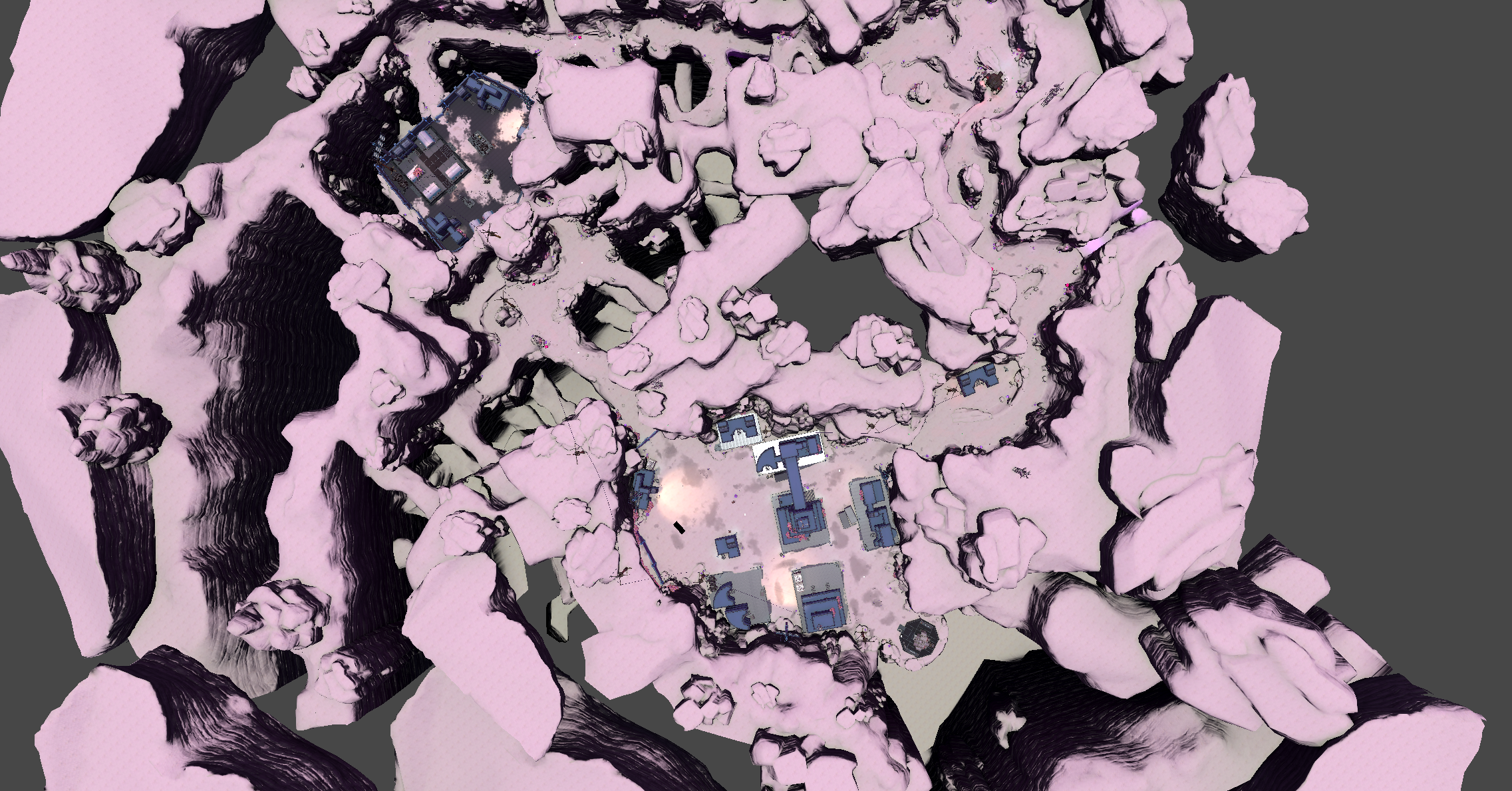
Overall, the mission uses lock-and-key doors to gate their progress through the level, foreshadowing the transition into an escort mission in the second half. Bugs can spawn from multiple directs aroud the squad, building tension throughout.
It was also the most urban level in the game, making for a notable change in atmosphere. Structures provide clear firing lines and a direction of attack, contrasting with the areas of wilderness that separate the compounds.
 Owen Bass